
Rolex Nickname Guide
A collector's guide to the stories behind Rolex's most iconic nicknames.
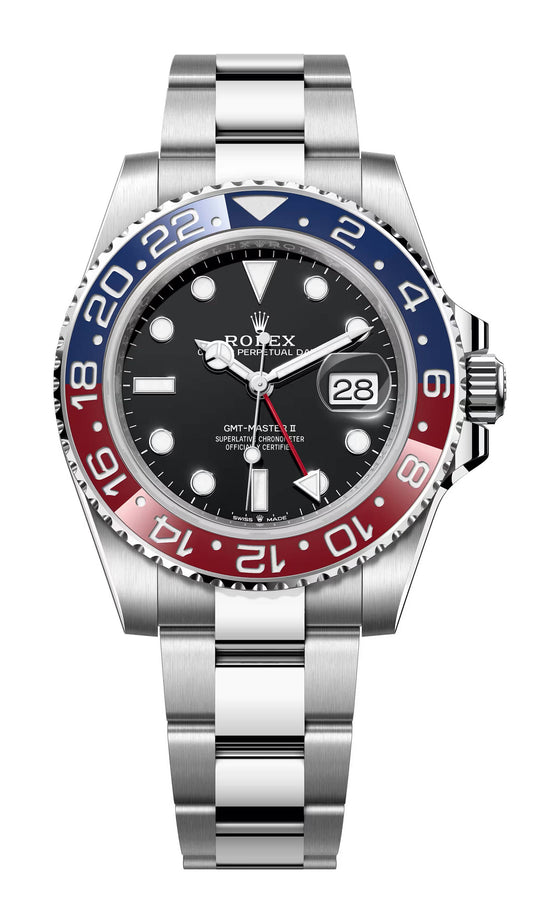
The “Pepsi” nickname comes from the blue and red bezel, which closely resembles the Pepsi logo. Originally introduced to help pilots distinguish between day (red) and night (blue), the color combination became instantly recognizable and eventually earned its place as one of the most iconic Rolex nicknames.
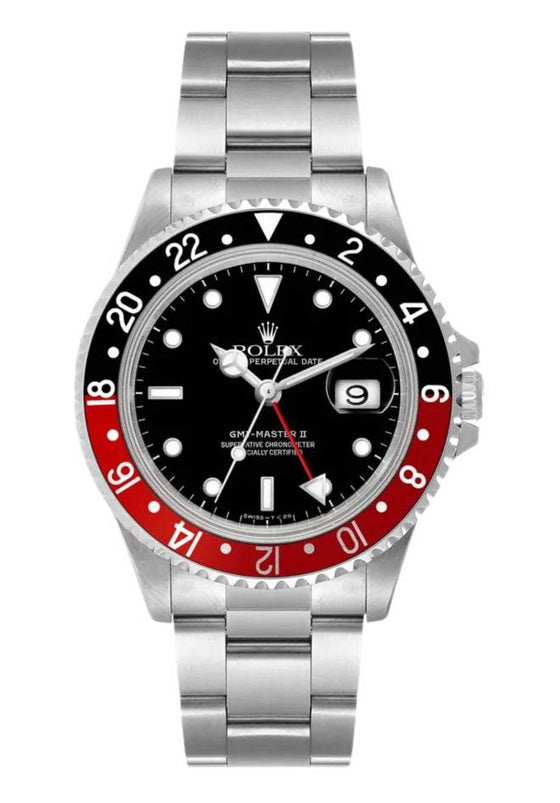
The “Coke” nickname comes from the black and red bezel, which resembles the color scheme of Coca-Cola. Like the “Pepsi”, the bezel was designed to distinguish between day (red) and night (black). Over time, the color combination gave the watch a more understated and versatile look, earning it a lasting place among Rolex collectors.

The “Sprite” nickname comes from the black and green bezel, a color combination that closely aligns with the branding of the soda. Introduced in 2022, the watch stood out not only for its color, but also for its left-handed configuration, with the crown and date positioned on the opposite side of the case. The unique design quickly earned it one of the most recognizable modern Rolex nicknames.
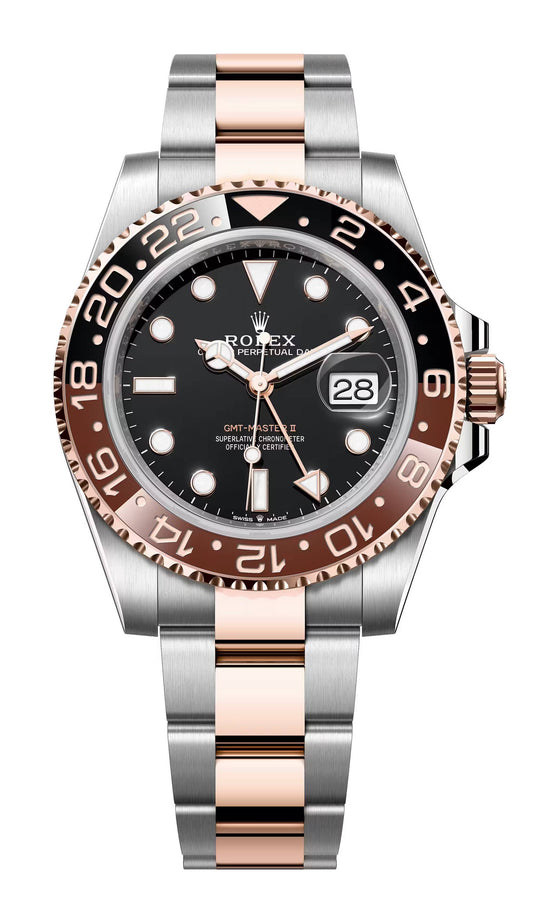
The “Root Beer” nickname comes from the black and brown bezel, paired with gold tones that resemble the look of the classic soda. First introduced in vintage GMT-Master models, the color combination was later revived in Rolex’s Everose Rolesor, giving it a more refined and contemporary feel. It remains one of the most distinctive and recognizable variations in the GMT lineup.
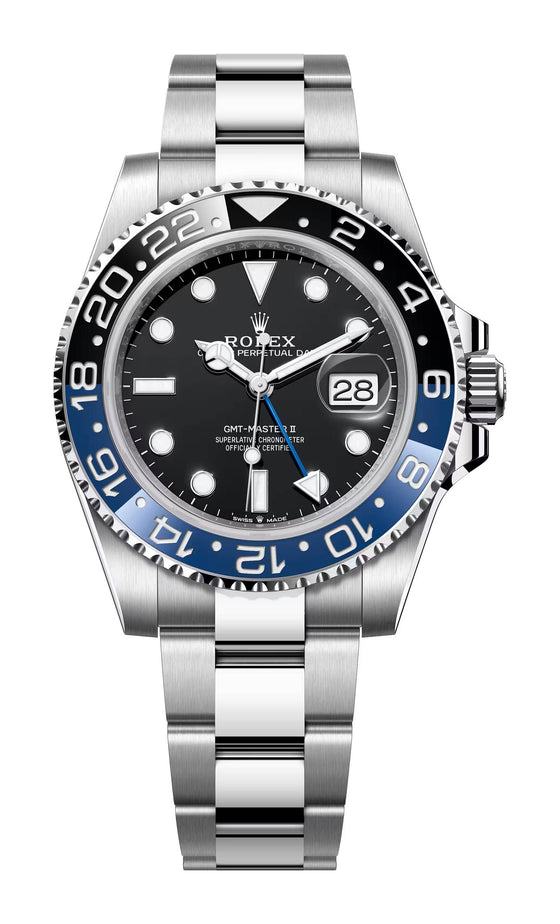
The “Batman” nickname comes from the black and blue bezel, a color combination inspired by the character’s suit. Introduced in 2013, it was the first Rolex to feature a two-tone ceramic bezel, marking a major technical achievement for the brand. The bold contrast quickly made it one of the most recognizable modern GMT-Master II variations.
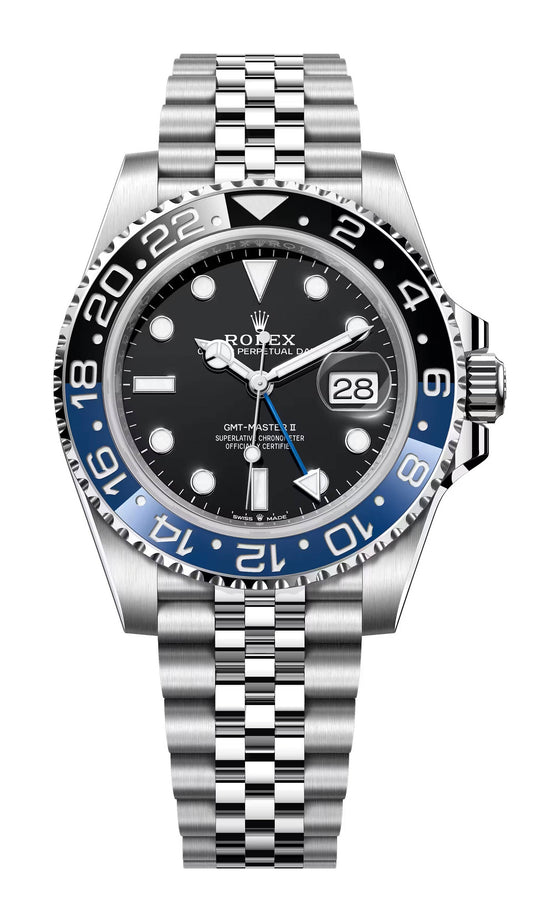
The “Batgirl” nickname refers to the GMT-Master II with a black and blue bezel on a Jubilee bracelet, distinguishing it from the original “Batman” on an Oyster bracelet. While the color combination remains the same, the Jubilee gives the watch a more refined and dressier feel. The nickname naturally followed as a variation of the original “Batman.”
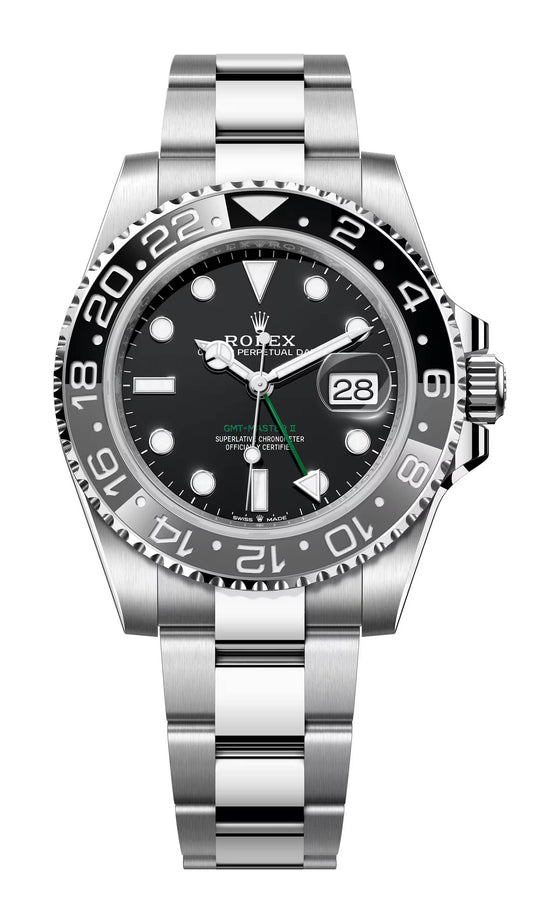
The “Bruce Wayne” nickname comes from the black and grey bezel, a more subtle and understated version compared to the bolder “Batman.” The darker color combination reflects the more refined aesthetic associated with Bruce Wayne himself. As a newer release, the nickname has quickly gained traction among collectors and continues the trend of character-inspired GMT nicknames.
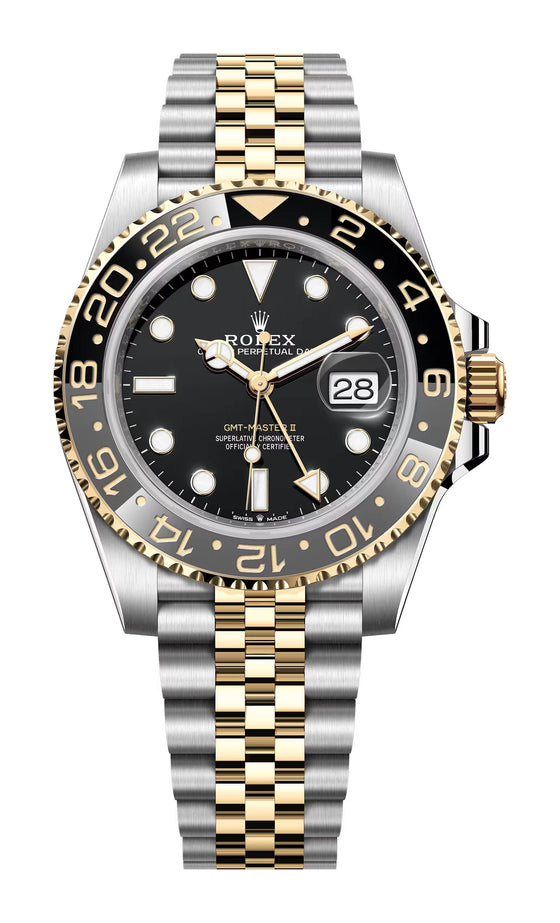
The “Zombie” and “Bumblebee” nicknames come from the two-tone yellow gold and stainless steel case paired with the black and grey bezel. The yellow gold and black contrast is reminiscent of a bumblebee, while the darker tones of the bezel have led some collectors to refer to it as the “Zombie.” Both nicknames are used to describe this distinctive GMT-Master II configuration.
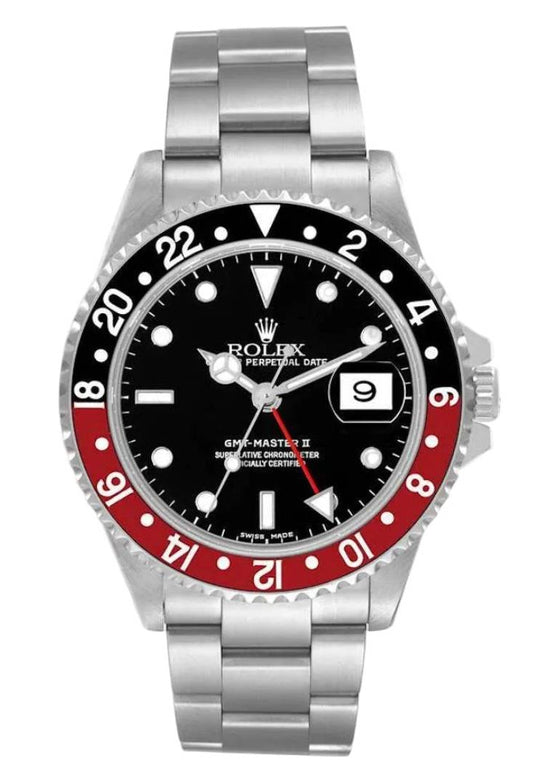
The “Fat Lady” nickname comes from the thicker case of the GMT-Master II 16760 compared to earlier GMT-Master models. This added thickness was necessary to accommodate the updated movement and independently adjustable hour hand, giving the watch a more substantial profile on the wrist. The nickname reflects this noticeable difference in case size and proportions.
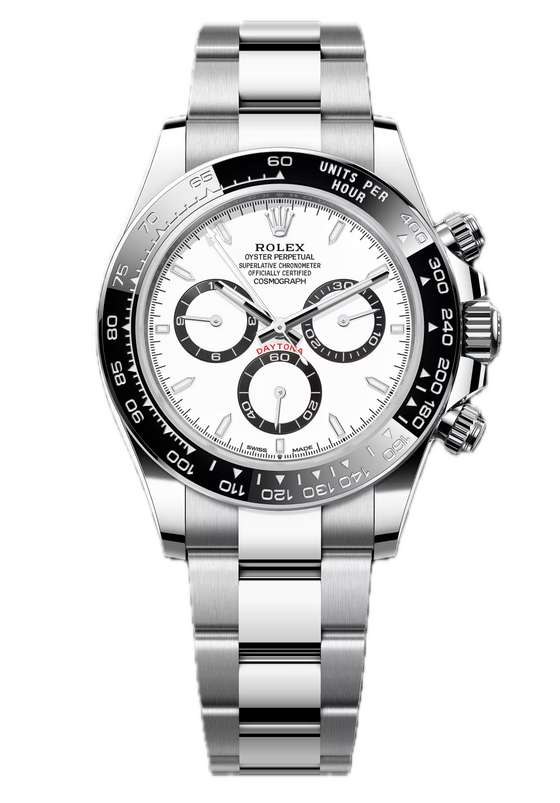
The “Panda” nickname comes from the white dial contrasted with black subdials, resembling the face of a panda. The high contrast layout makes the chronograph easy to read while giving the watch a clean and balanced look. It has become one of the most recognizable and sought-after Daytona configurations and is widely considered one of the most well-known nicknames in the luxury watch world.
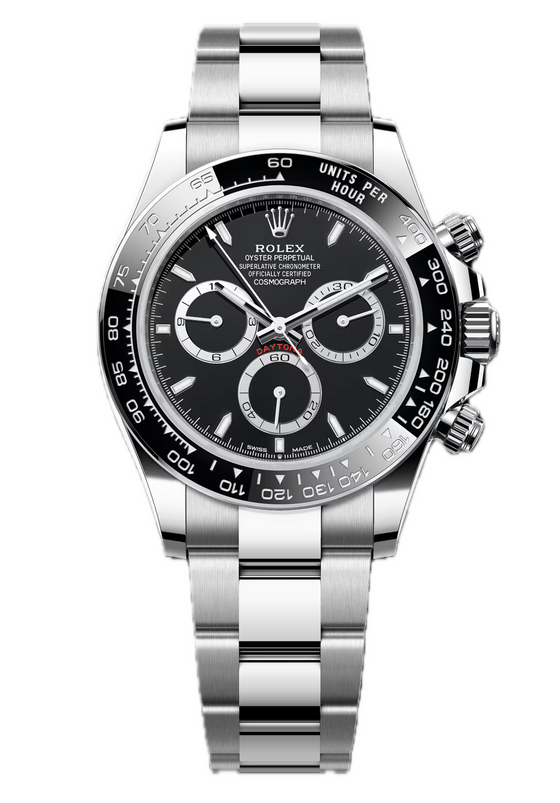
The “Reverse Panda” nickname comes from the black dial contrasted with white subdials, the inverse of the traditional “Panda” configuration. The strong contrast maintains excellent legibility while giving the watch a slightly sportier and more understated look. It remains one of the most popular Daytona variations and a natural counterpart to the classic Panda.
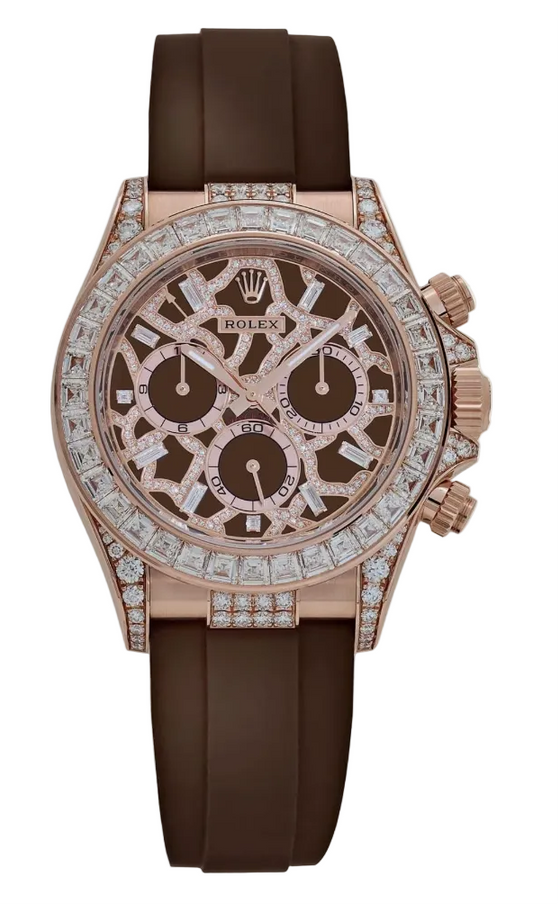
The “Giraffe” nickname comes from the dial pattern, which features a spotted design resembling the markings of a giraffe. Paired with an Everose gold case and diamond-set bezel, the watch has a bold and distinctive look while still maintaining a refined feel. It is not often seen, making it one of the more uncommon and collectible Daytona variations.
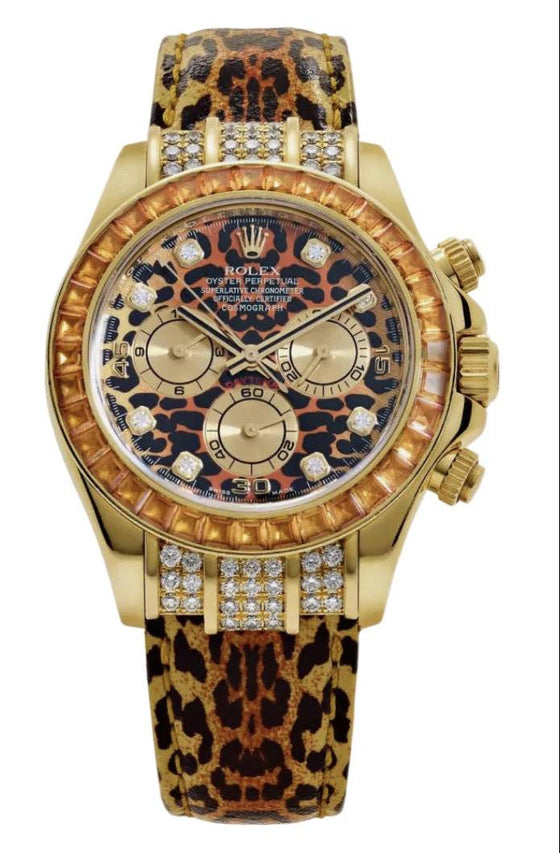
The “Leopard” nickname comes from the dial and bracelet design, which feature a spotted pattern resembling the markings of a leopard. Paired with a yellow gold case and diamond-set bezel, the watch has a bold and distinctive look that stands out from more traditional Daytona designs. It is not often seen, making it one of the more uncommon and collectible variations in the Daytona lineup.
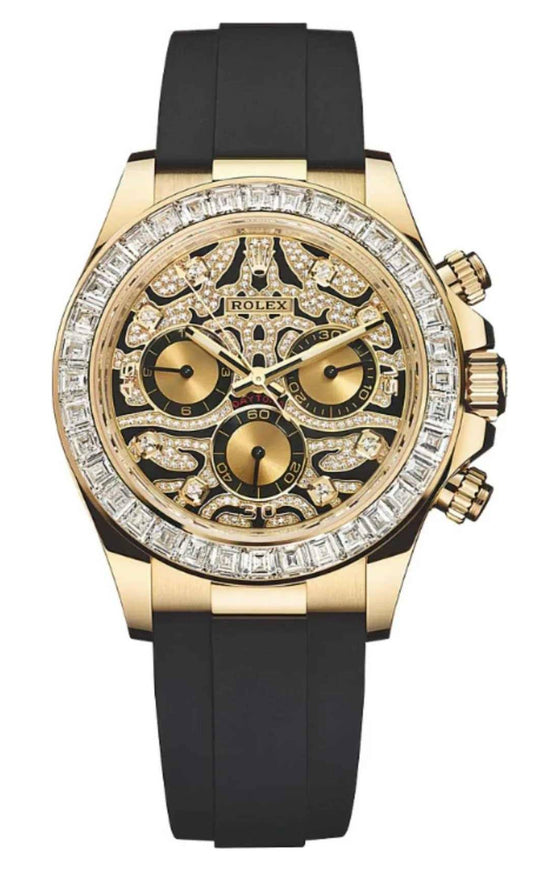
The “Eye of the Tiger” nickname comes from the distinctive dial, which features a tiger-stripe pattern with diamond-set elements, creating a look reminiscent of a tiger’s eye. Paired with a yellow gold case and diamond-set bezel, the watch stands out as one of the more bold and unique Daytona designs. Introduced in 2019, it represents a more modern and artistic interpretation within the Daytona lineup. It is not often seen, making it one of the rarest watches not just in Rolex’s collection but in the luxury watch world as a whole.
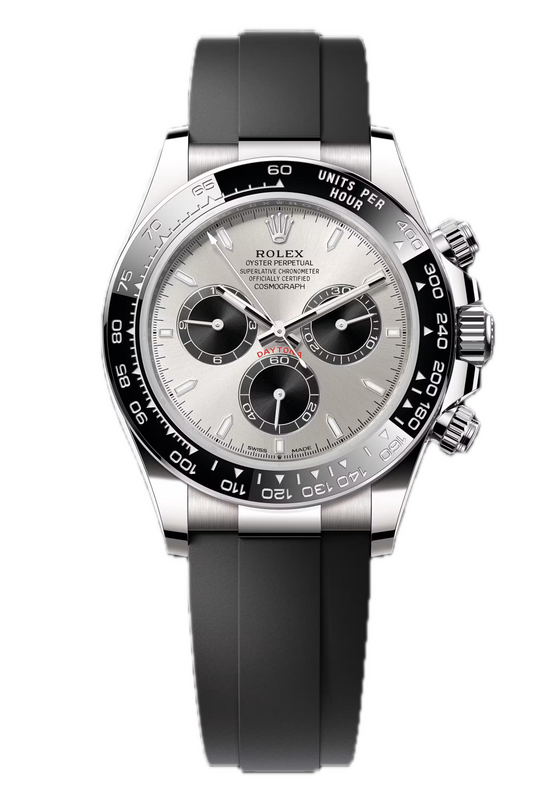
The “Ghost” nickname comes from the dial, which features soft silver and grey tones that give the watch a subtle and understated appearance. Paired with a white gold case, the overall look is clean and low-key, with the dial almost blending into itself. The nickname reflects this subtle look that sets it apart from more colorful Daytona variations.
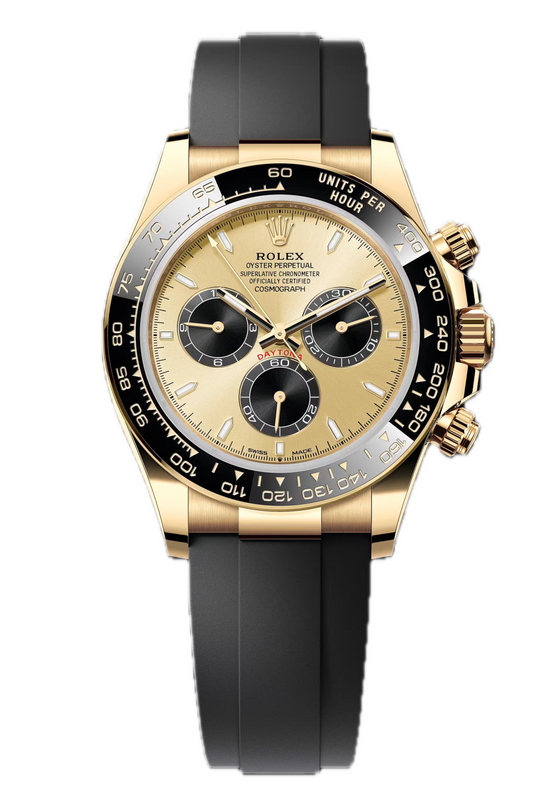
The “Pikachu” nickname comes from the yellow gold case paired with a black dial, a color combination associated with the character. The contrast between the bright gold and dark dial gives the watch a bold and energetic look. Over time, the nickname became widely used among collectors to describe this distinctive Daytona configuration.
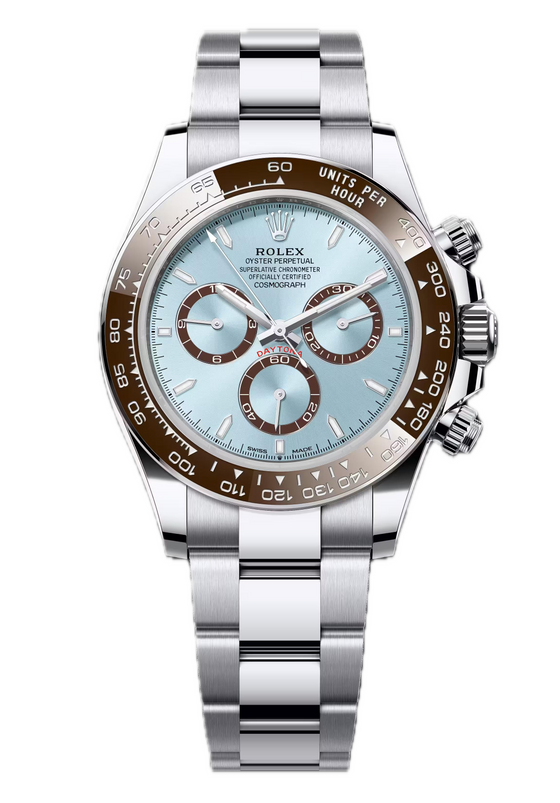
The “Platona” nickname is a combination of “platinum” and “Daytona,” referring to the first Daytona model made entirely in platinum. Introduced in 2013 for the 50th anniversary of the Daytona, it features an ice blue dial paired with a brown ceramic bezel, a color combination reserved for Rolex platinum models. The nickname reflects both the material and the model, and has become widely used among collectors to describe this reference.
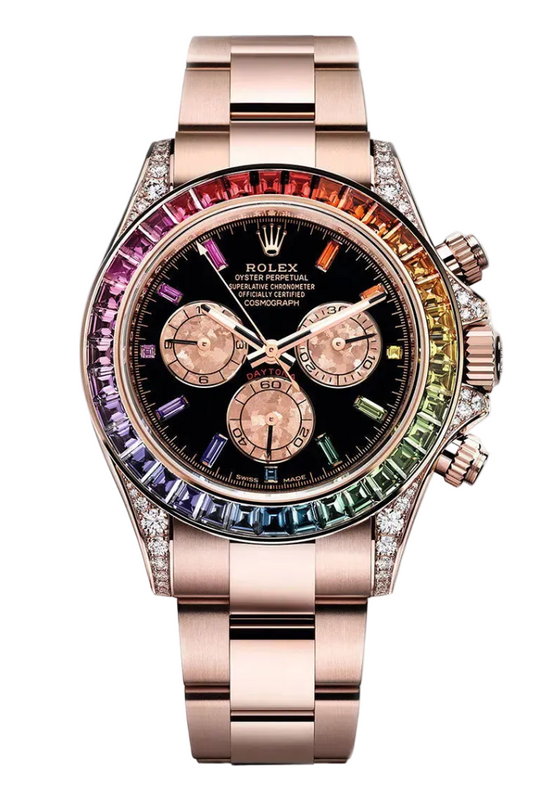
The “Rainbow” nickname comes from the bezel, which is set with a gradient of multicolored sapphires arranged to resemble a rainbow. Combined with a matching diamond-set case and vibrant dial details, the watch stands out as one of the most visually striking Daytona designs. It represents a bold and high-end interpretation of the model and is not often seen, making it one of the rarer modern Rolex pieces.
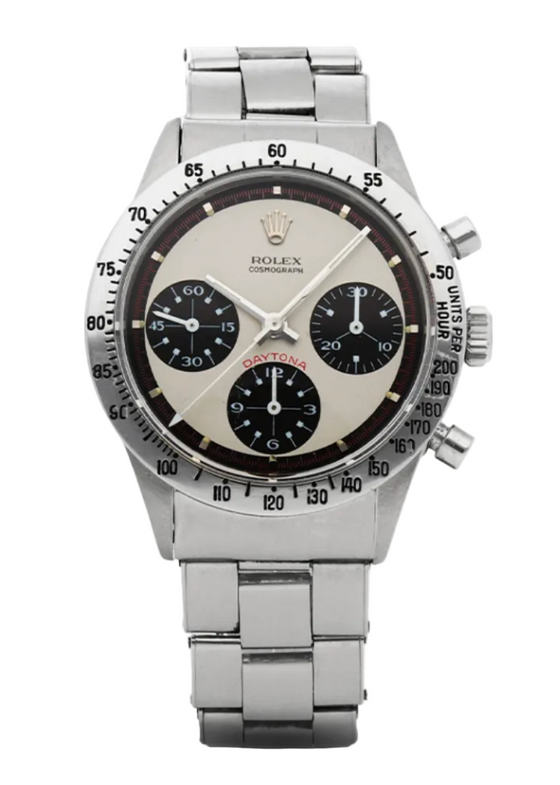
The “Paul Newman” nickname comes from the actor himself, who was frequently seen wearing this style of Daytona. The watch features what collectors refer to as an “exotic dial,” with contrasting subdials, square markers, and Art Deco-inspired details that set it apart from standard models. While initially less popular, the association with Paul Newman transformed it into one of the most iconic and valuable Rolex watches ever produced.
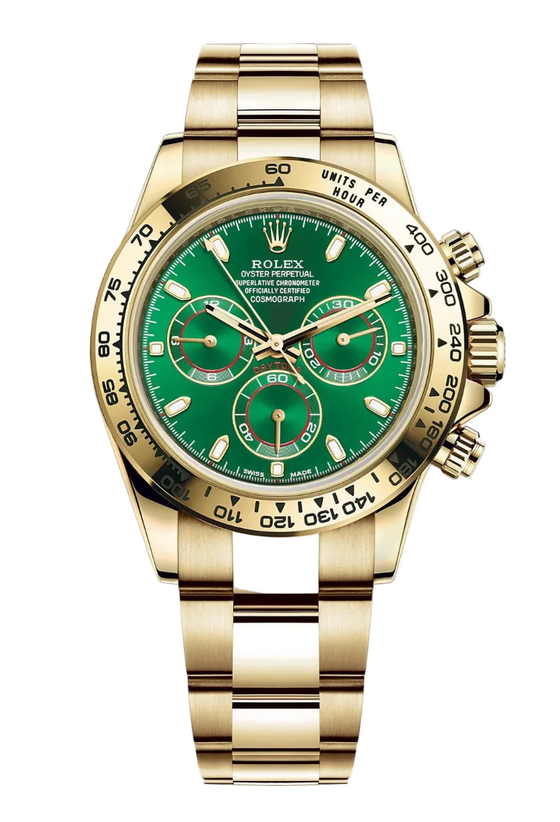
The “John Mayer” nickname comes from the musician and watch collector, who publicly praised this reference and brought significant attention to it. Featuring a green dial paired with a yellow gold case, the watch was initially overlooked before gaining popularity following his endorsement. It has since become one of the most recognizable modern Daytona configurations.
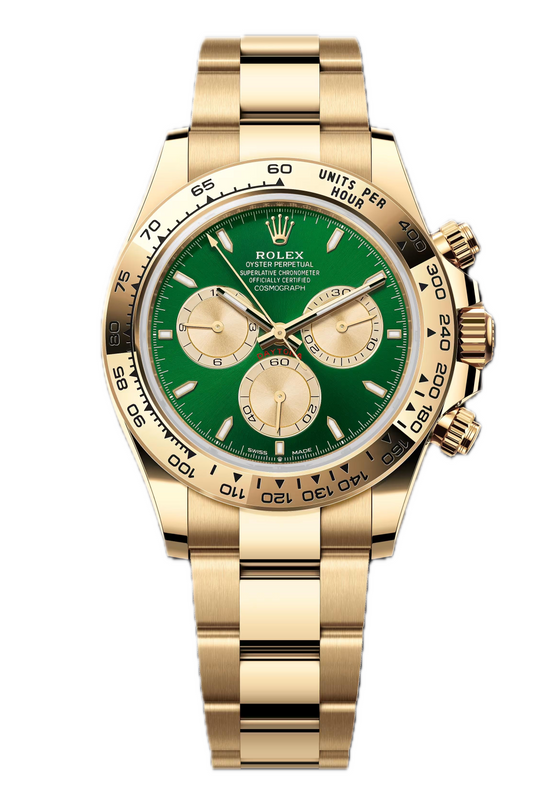
The “John Mayer 2.0” nickname refers to the updated version of the original “John Mayer” Daytona, featuring a green dial paired with a yellow gold case. While the overall look remains similar, the newer reference introduces subtle design updates, including gold subdials instead of green and updated case proportions. The nickname reflects its connection to the original while distinguishing it as the next generation of the same concept.
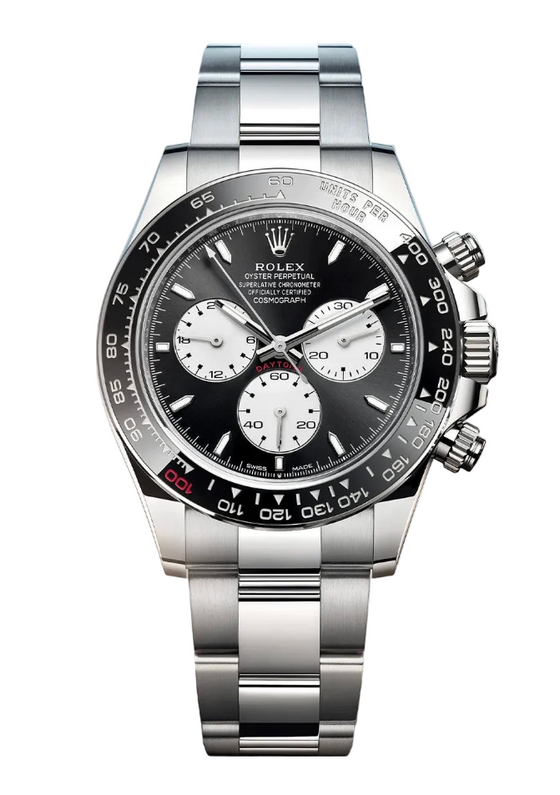
The “Le Mans” nickname comes from Rolex’s long-standing association with the 24 Hours of Le Mans, one of the most iconic endurance races in the world. Released to celebrate the 100th anniversary of the race, this Daytona features design elements inspired by vintage “Paul Newman” dials, along with a red “100” marker on the bezel. The nickname reflects both its racing heritage and its connection to one of the most important events in motorsport.
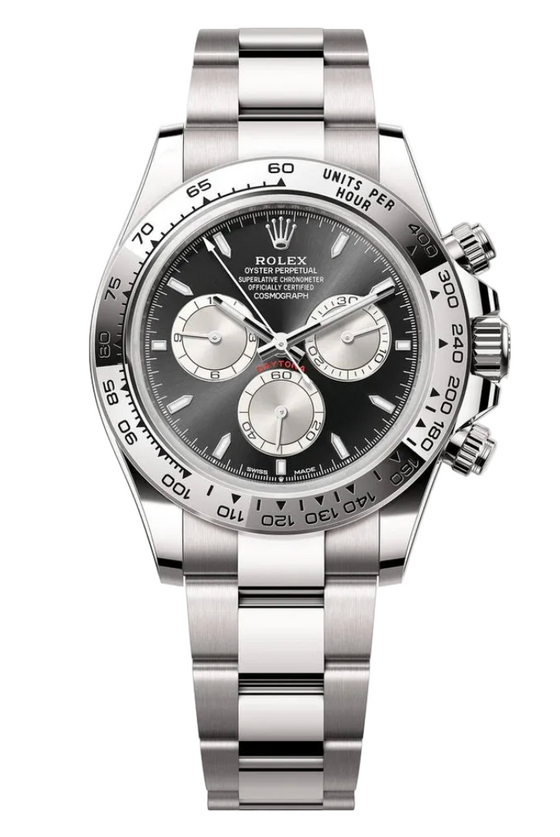
The “Baby Le Mans” nickname comes from its design similarities to the “Le Mans” Daytona. It features a dial inspired by vintage “Paul Newman” styles, with contrasting subdials and stylized markers, giving it a modern interpretation of the same design. The nickname reflects its connection to the Le Mans while distinguishing it as a more understated and wearable version.
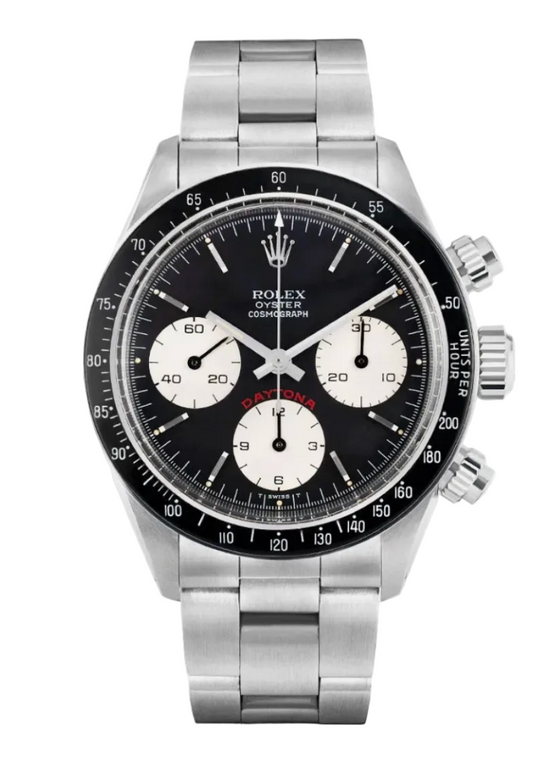
The “Big Red” nickname comes from the bold red “Daytona” text printed above the subdials on the dial. This detail stands out more prominently compared to other Daytona models, giving the watch a distinctive and recognizable look. Found on certain vintage references, it has become a highly sought-after variation among collectors.
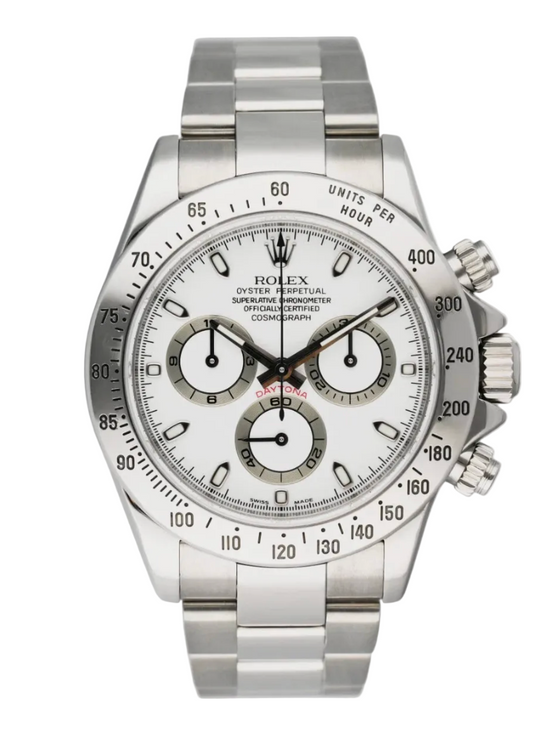
The “Zenith” nickname refers to the movement inside the watch, which is based on the Zenith El Primero caliber. Introduced in the late 1980s, this marked the first time Rolex used an automatic chronograph movement in the Daytona. While heavily modified by Rolex, the connection to Zenith became a defining part of this generation, making it one of the most historically significant Daytona references.
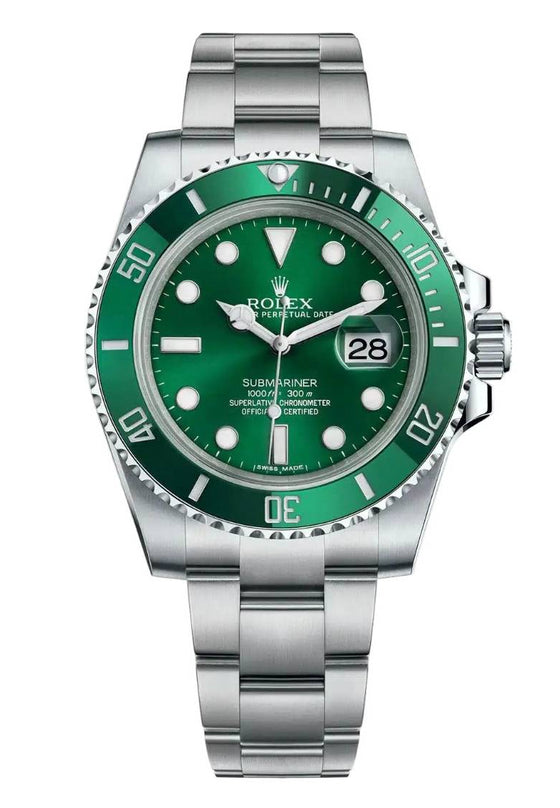
The “Hulk” nickname comes from the fully green design, featuring both a green bezel and a green dial. The bold color combination gives the watch a strong and recognizable presence, similar to the character it’s named after. Introduced in 2010, it quickly became one of the most recognizable and sought-after Submariner variations.
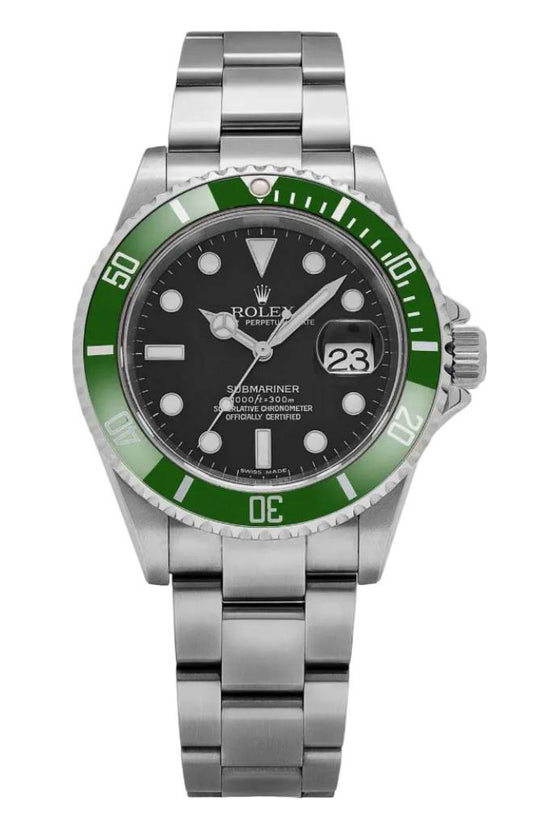
The “Starbucks” nickname comes from the green bezel paired with a black dial, a color combination that resembles the branding of the coffee company. Introduced in 2020, it continues the legacy of the green bezel Submariner while updating the case proportions and overall design. It offers a modern take on the concept first introduced with the “Kermit.”
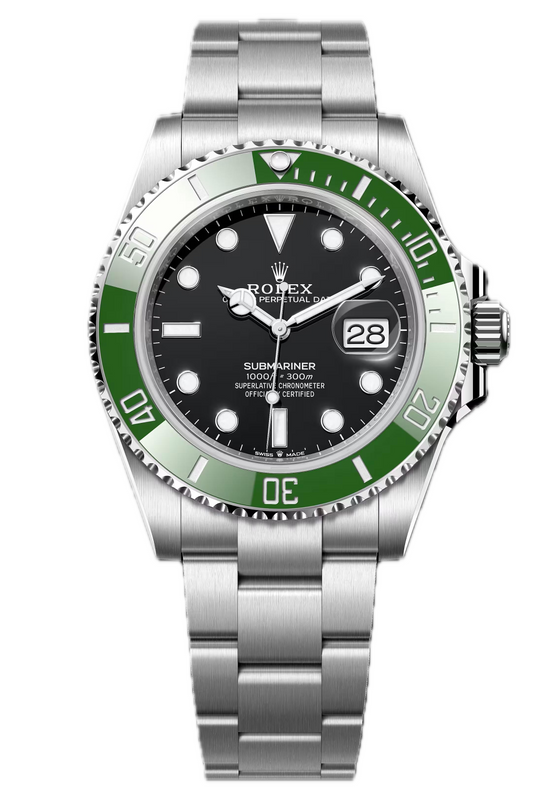
The “Starbucks” nickname comes from the green bezel paired with a black dial, a color combination that resembles the branding of the coffee company. Introduced in 2020, it continues the legacy of the green bezel Submariner while updating the case proportions and overall design. It offers a modern take on the concept first introduced with the “Kermit.”
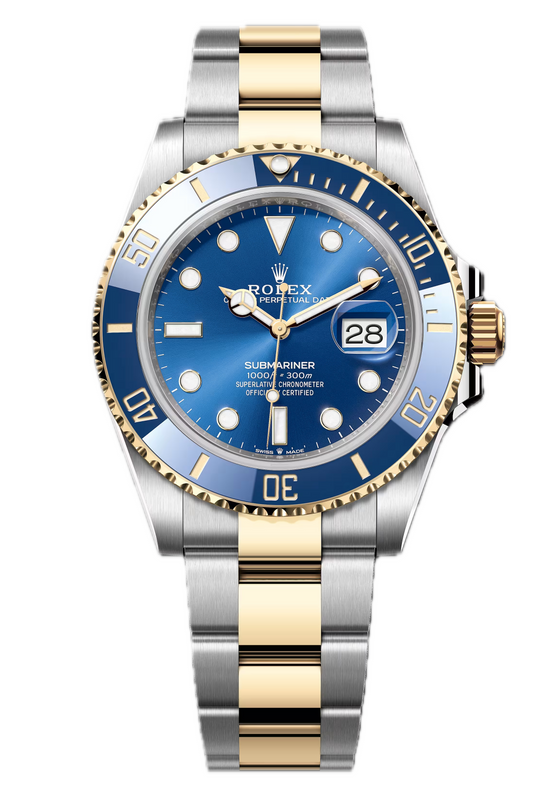
The “Bluesy” nickname comes from the blue dial and blue bezel, paired with yellow gold accents. The bold color combination gives the watch a more vibrant and luxurious look compared to traditional Submariners. Over time, the nickname became widely used among collectors to describe this distinctive two-tone variation.
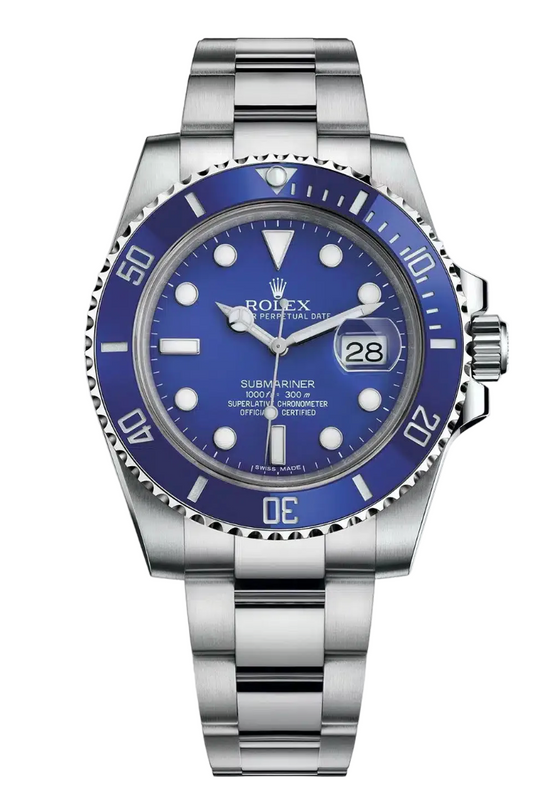
The “Smurf” nickname comes from the bright blue dial and blue bezel, paired with a white gold case, a color combination associated with the character. Introduced in 2008, it marked the first Submariner made entirely in white gold with a ceramic bezel. The bold use of color and material quickly made it one of the most distinctive Submariners of its time.
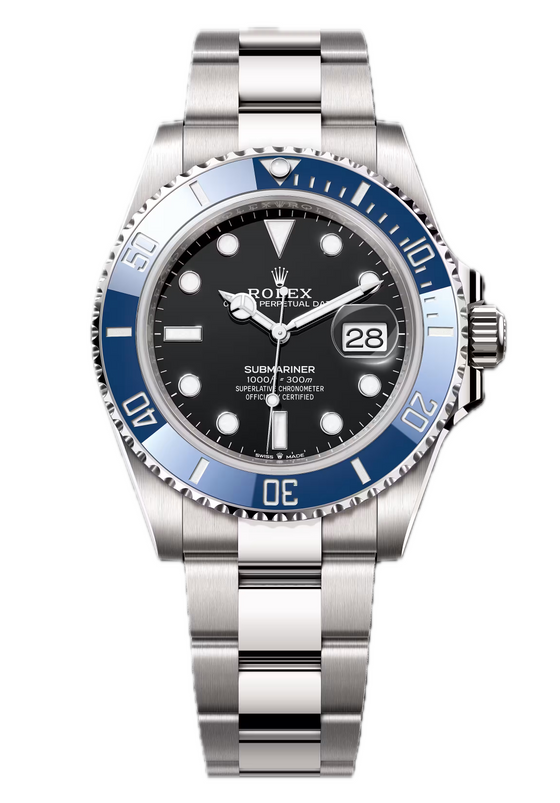
The “Cookie Monster” nickname comes from the blue dial and blue bezel, paired with a white gold case, a color combination associated with the character. It is the updated version of the earlier “Smurf,” featuring modern case proportions and a refined overall design. The playful nickname reflects the bold look while still representing a high-end Submariner.
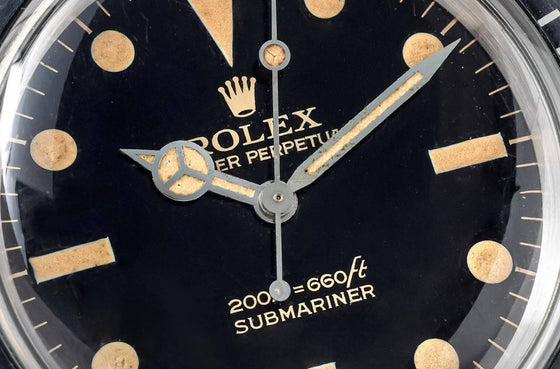
The “Bart Simpson” nickname comes from the shape of the Rolex coronet (the crown logo on the dial), which features shorter, wider points that resemble Bart Simpson’s spiky hair. Found on certain vintage Submariner models, this subtle detail became a point of fascination among collectors. Over time, it earned its nickname as enthusiasts began to recognize and seek out this unique variation.
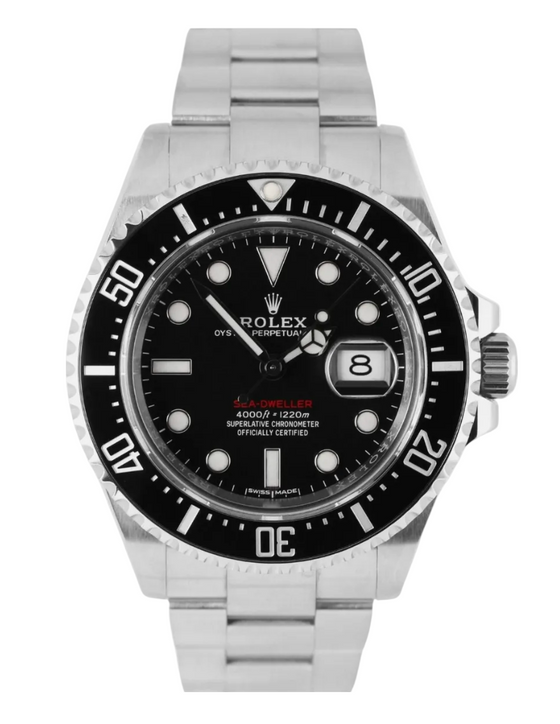
The “Double Red” nickname comes from the two lines of red text on the dial that read “Sea-Dweller” and “Submariner 2000.” This detail stands out against the black dial, giving the watch a distinctive and recognizable look. Found on early Sea-Dweller models, it has become one of the most iconic and sought-after vintage Rolex variations.
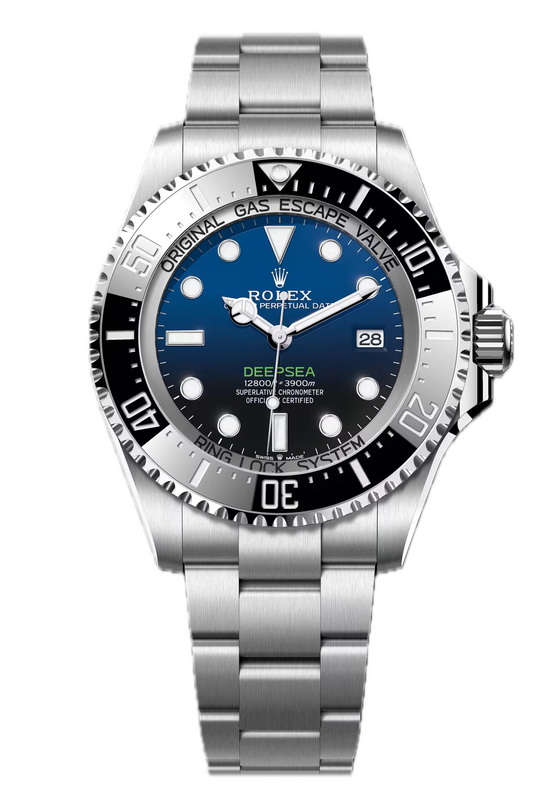
The “James Cameron” nickname comes from the filmmaker and explorer, who partnered with Rolex during his historic deep-sea dive to the Mariana Trench. The watch features a dial that fades from blue to black, representing the descent into the depths of the ocean. The nickname reflects this connection and the watch’s association with one of the most extreme underwater explorations ever completed.
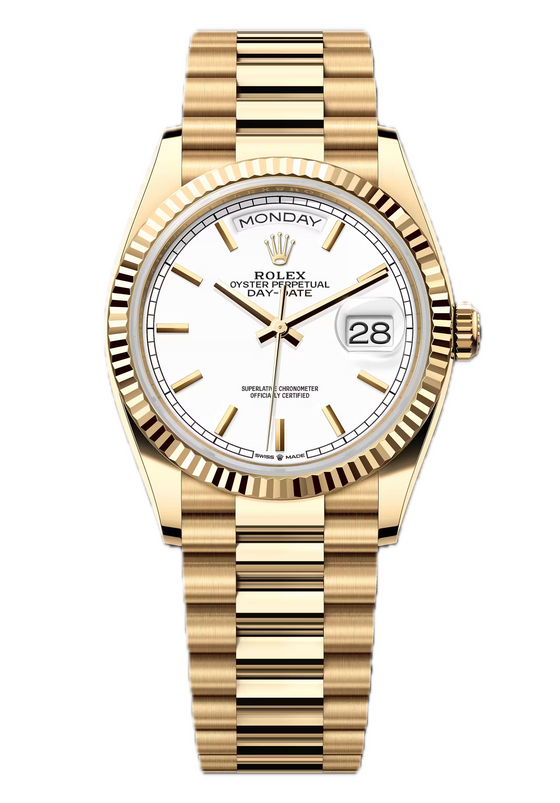
The “President” nickname comes from the bracelet designed specifically for the Day-Date, known as the President bracelet. Introduced in 1956, the watch quickly became associated with world leaders and influential figures, including several U.S. presidents. Over time, the name came to represent not just the bracelet, but the Day-Date as a whole, making it one of the most iconic and recognizable Rolex nicknames.
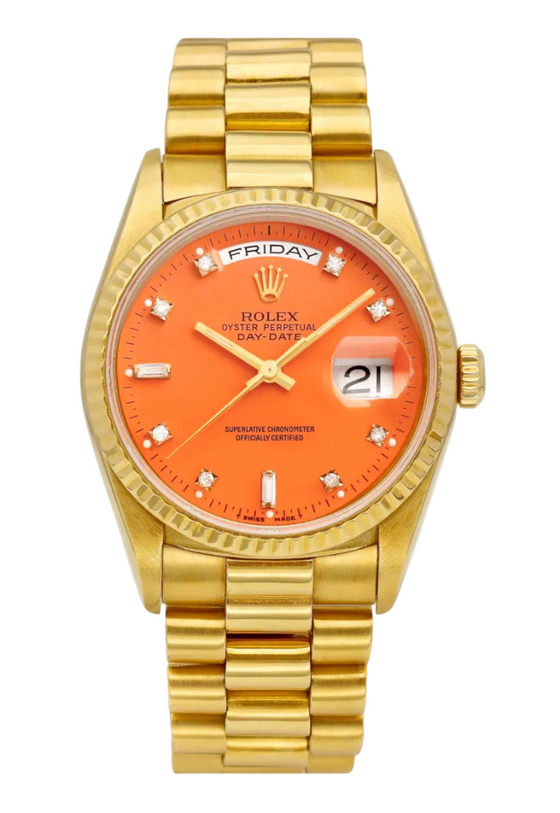
The “Stella” nickname refers to a series of Day-Date models from the 1970s that featured brightly colored enamel dials in shades such as green, orange, and pink. The name is believed to come from either the dial manufacturer or the Latin word for “star.” Originally unpopular at the time, these watches have since become highly collectible due to their bold and distinctive appearance, and are often seen as an early inspiration for modern colorful Rolex dials.
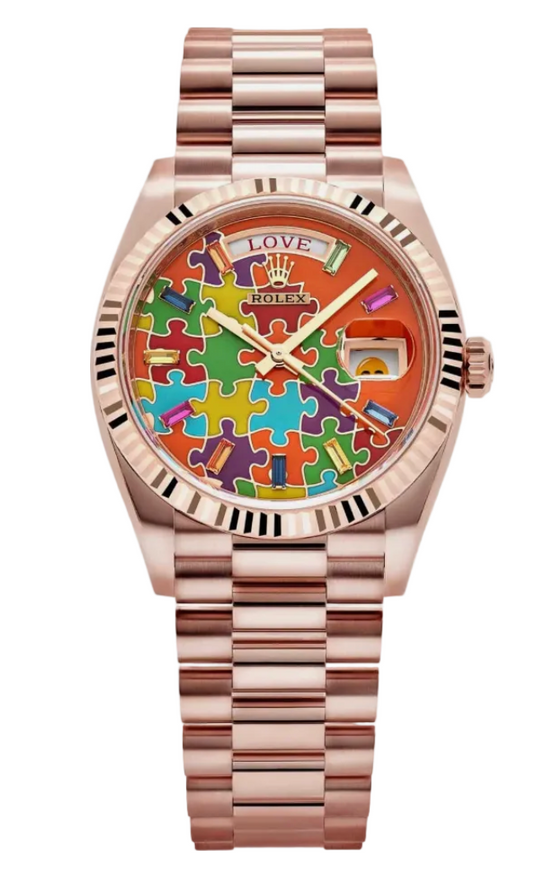
The “Emoji,” “Puzzle Dial,” or “Jigsaw” nickname comes from the dial design, which features colorful puzzle-piece shapes replacing traditional hour markers, along with emoji-style symbols displayed in the day window. The playful design stands out from more traditional Day-Date models, offering a more different and playful interpretation of the watch. The different nicknames are used interchangeably to describe this unique configuration.
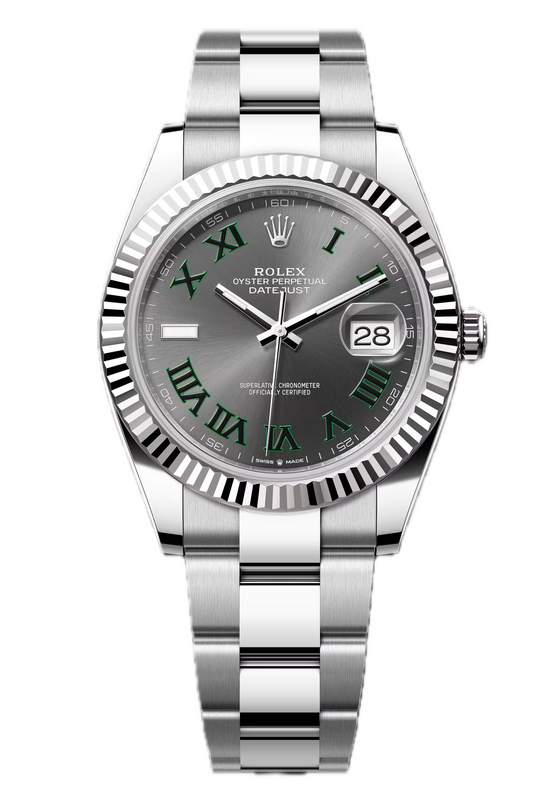
The “Wimbledon” nickname comes from the slate grey dial with green Roman numerals, a color combination associated with the Wimbledon tennis tournament. The green Roman numerals resemble the grass courts, while the overall design gives the watch a distinctive and recognizable look. Over time, the nickname became widely used among collectors to describe this unique Datejust configuration.
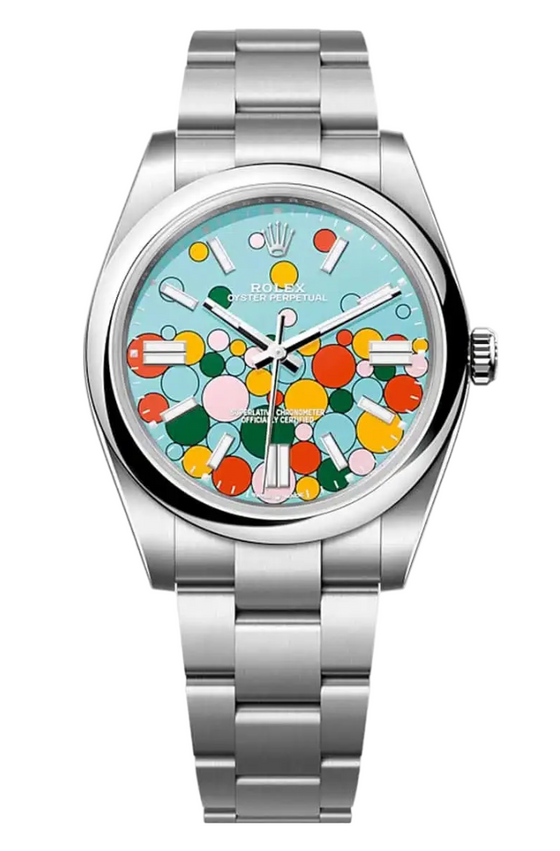
The “Celebration” nickname comes from the dial, which features a turquoise background with colorful bubble-like circles scattered across the surface. The playful and vibrant design gives the watch a festive feel, unlike anything traditionally seen from Rolex. The nickname reflects this playful and different approach, making it one of the most distinctive modern releases in the Oyster Perpetual lineup.
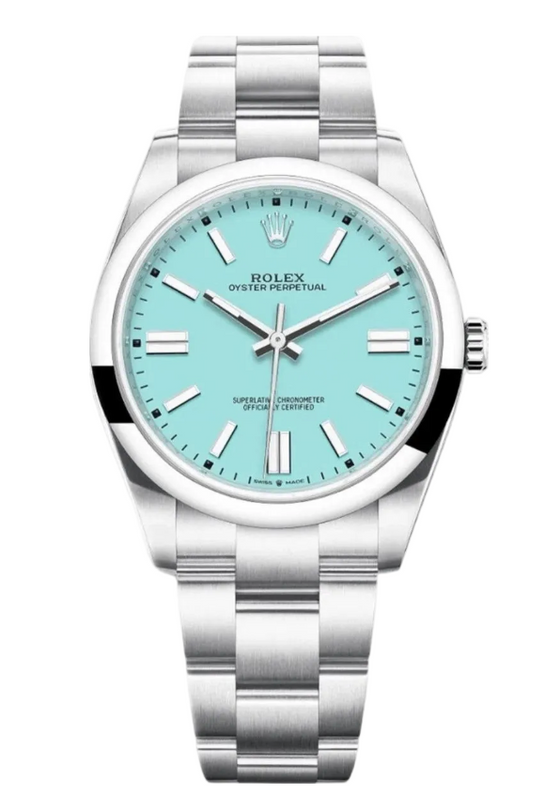
The “Tiffany dial” nickname comes from the bright turquoise blue dial, which closely resembles Tiffany & Co.’s signature color. First introduced in 2020 with the Oyster Perpetual line, the color quickly gained popularity among collectors for its bold and playful look. Rolex later expanded the dial to other models, including the Daytona, further reinforcing the nickname within the modern lineup.
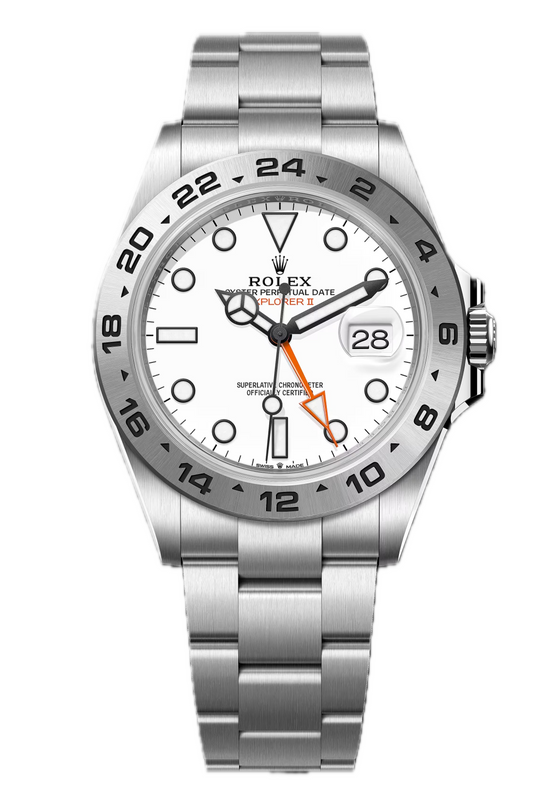
The “Polar” nickname comes from the crisp white dial, which stands out against the black hour markers and hands for strong contrast and readability. Originally designed for explorers operating in extreme environments, the dial evokes the white, icy conditions of polar regions. The nickname reflects both the color and the watch’s connection to exploration in harsh, snow-covered landscapes.